Abhinav Gupta
Toast
I led UX strategy and the preview launch of App Lifecycle Manager (originally launched as SaaS Runtime), a fully managed platform that helps software providers design, deploy, and operate multi-tenant services more efficiently. The initiative aimed to reduce the heavy operational overhead common in SaaS delivery so engineering teams could spend more time building customer-facing value.
Through research with Google Cloud customers, we learned that most SaaS providers spent 60–70% of their engineering time managing infrastructure rather than innovating on product features. Multi-tenant architectures, “Day 2” operations, and fragmented observability tools consumed enormous effort and introduced complexity that slowed releases.
Drawing on Google’s internal service management practices, App Lifecycle Manager provides customizable blueprints for rapid deployment. It integrates with Terraform, Helm, and CI/CD pipelines, while offering native connections to services like Developer Connect, Artifact Registry, App Hub, and Cloud Observability. Together, these provide a unified, application-layer view with full business context.
By automating infrastructure operations and simplifying tenant management, App Lifecycle Manager enables providers to focus on innovation and customer experience rather than maintenance and orchestration.
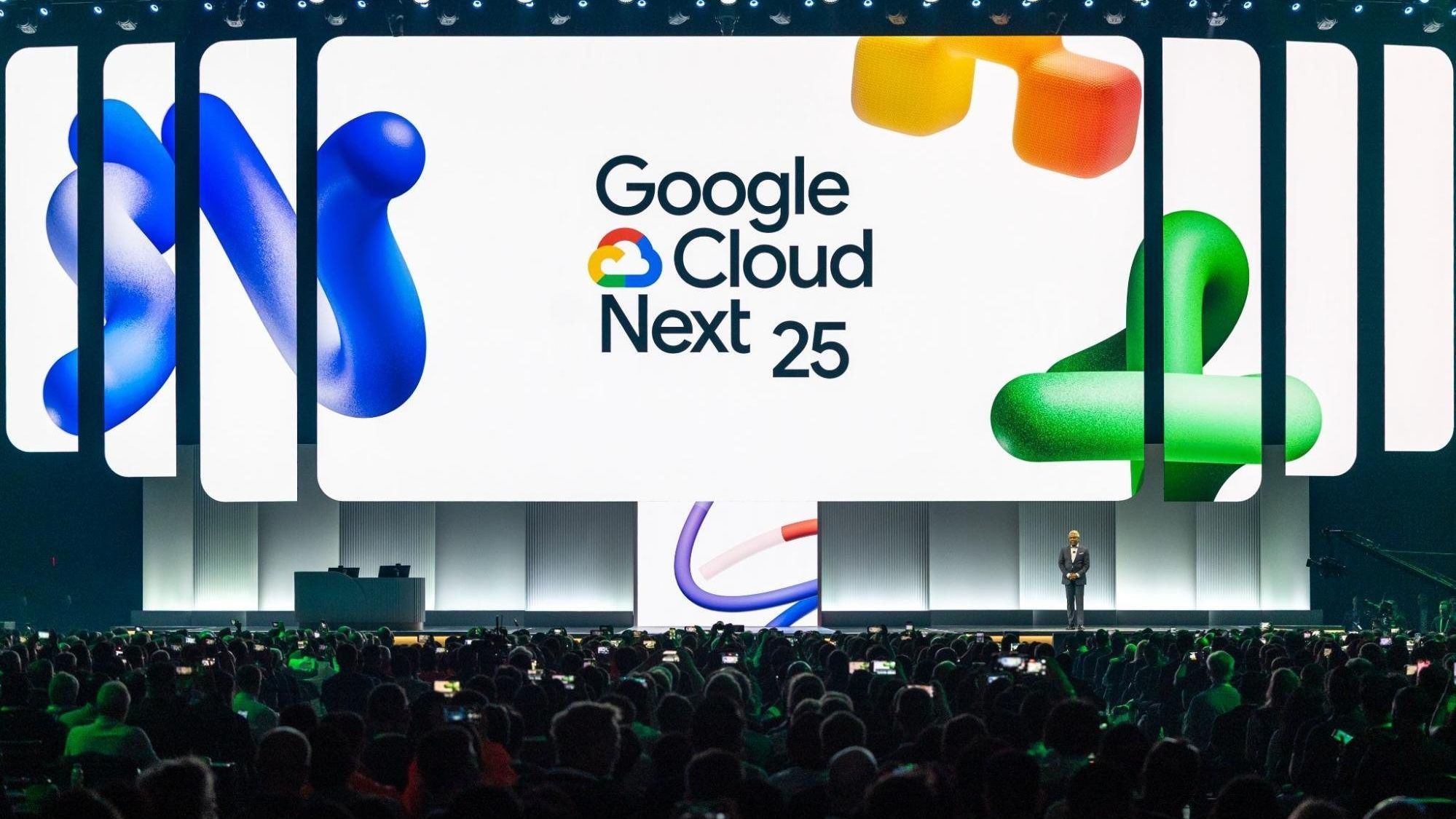
I led UX design for both the product experience and its public debut at Google Cloud Next ’25. Collaborating with engineering, product, and marketing partners, I helped shape the product narrative, messaging, and visual materials for launch.
Together, we built a comprehensive go-to-market strategy, including a blog post and conference content that introduced the product to developers.
To make the technology tangible, I designed and prototyped sample demo applications illustrating real-world multi-tenant scenarios. These were featured in breakout sessions where customer engineers guided audiences through believable examples of the platform in action.
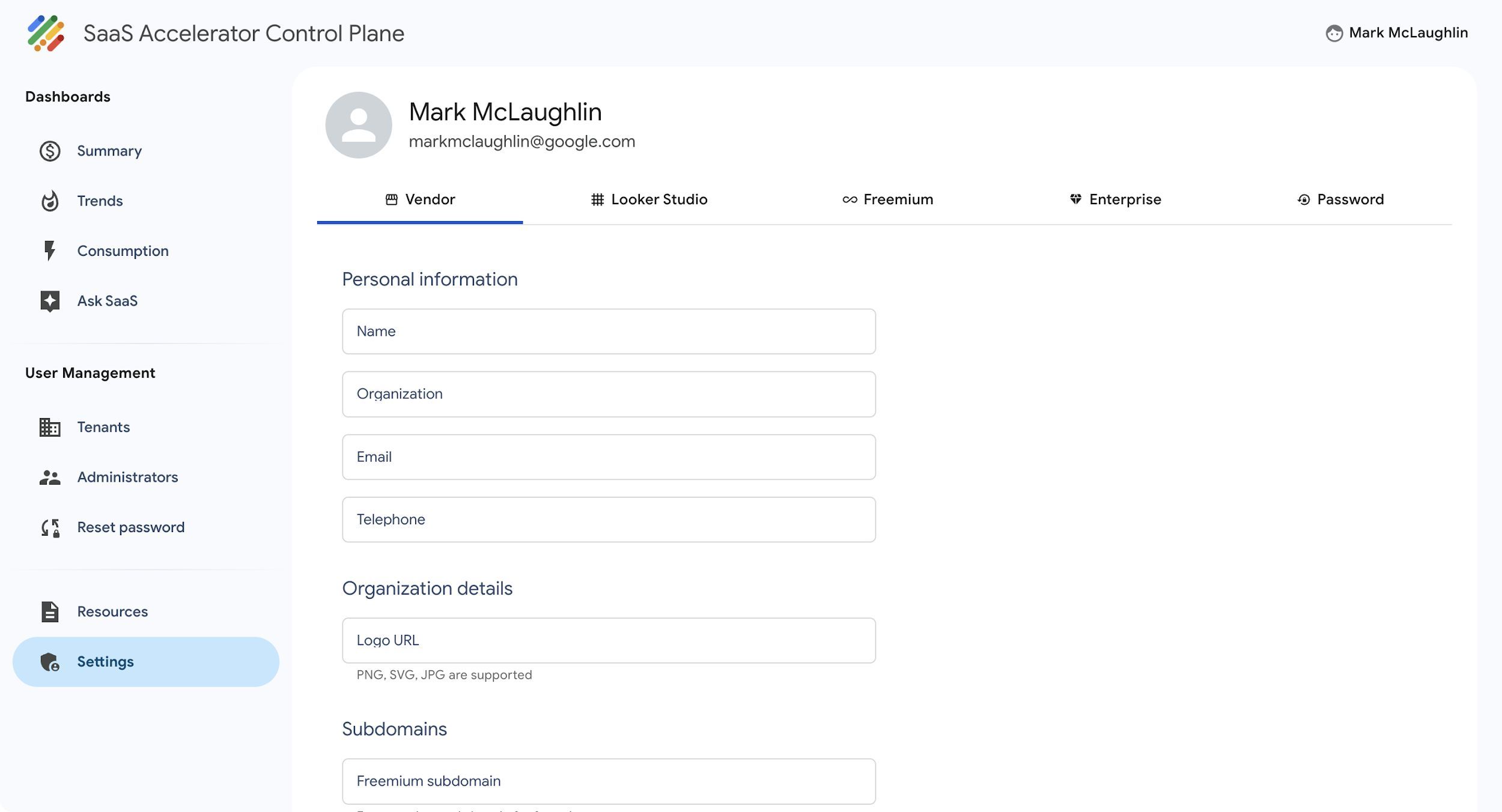
I also developed a React-based control plane (above) using Material UI guidelines that demonstrated how customers could build their own management interfaces with the service’s APIs, showcasing extensibility and developer experience in a concrete way.
At Cloud Next ’25, the launch (then branded as SaaS Runtime) generated strong interest among developers and partners. The demos and control plane prototype resonated with audiences by turning complex infrastructure concepts into practical, hands-on experiences.
Early adoption from companies such as Elasticsearch, MongoDB, and Glean validated the platform’s approach to simplifying SaaS operations at scale.
Leading UX for a new cloud service in such a complex domain reinforced the importance of translating abstract technical systems into clear, human-centered experiences that deliver real, demonstrable value.